Exclusively Tasmanian
Naming and brand identity for a honey the season decides to give.
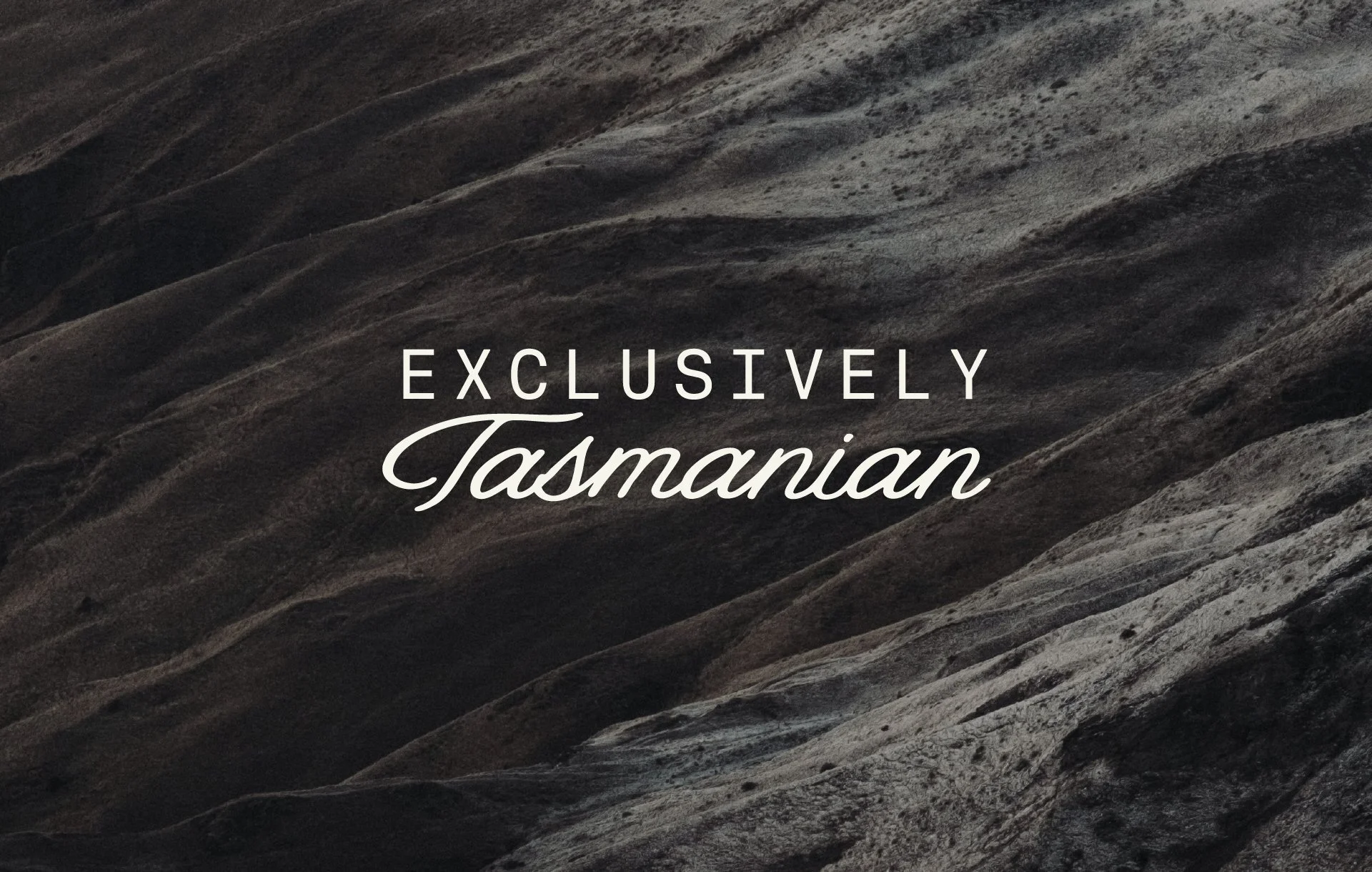
Four Tasmanian beekeeping families, some going back generations, had never had a shared brand to take their honey to global markets under. Export Connect brought them together as the Tasmanian Active Honey Group and asked Frankly Studio to name and brand the collective, then build a unique identity for their first product, Tasmanian Leatherwood Honey, ready to represent them internationally.
Client
Export Connect, Tasmanian Active Honey Group
Scope
Naming, brand identity, visual identity, brand guidelines, packaging, collateral, social and website design and development
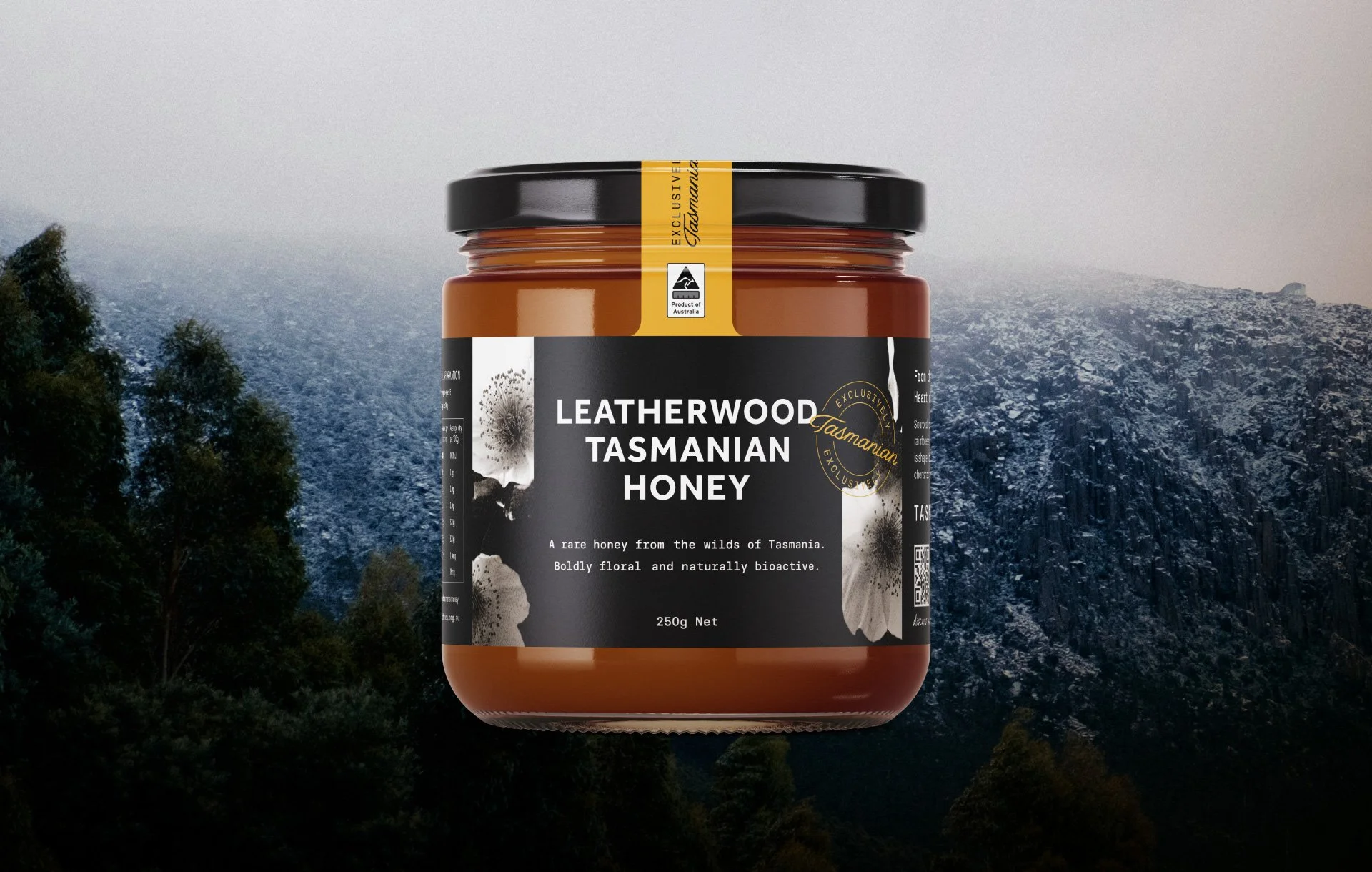
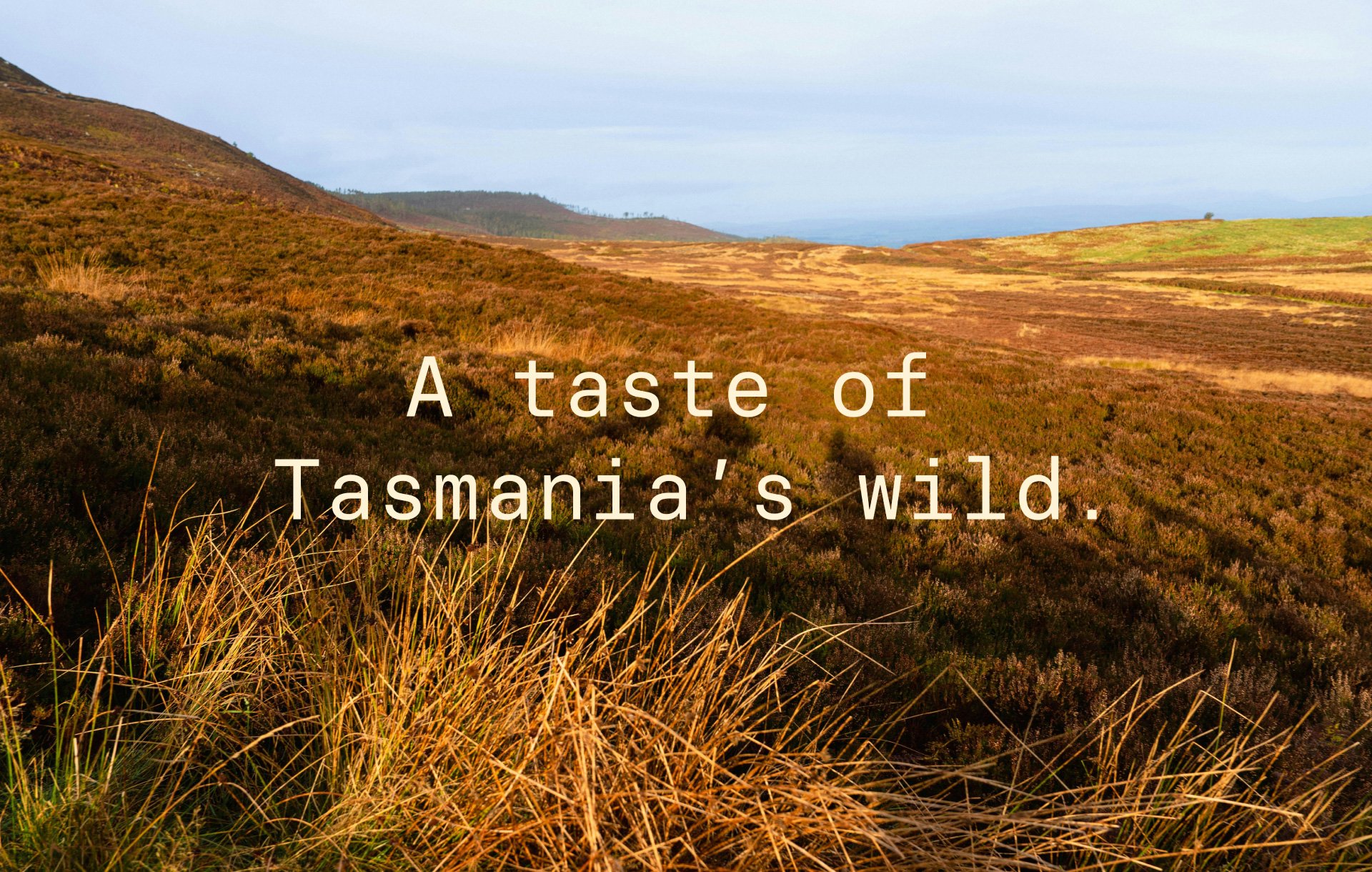
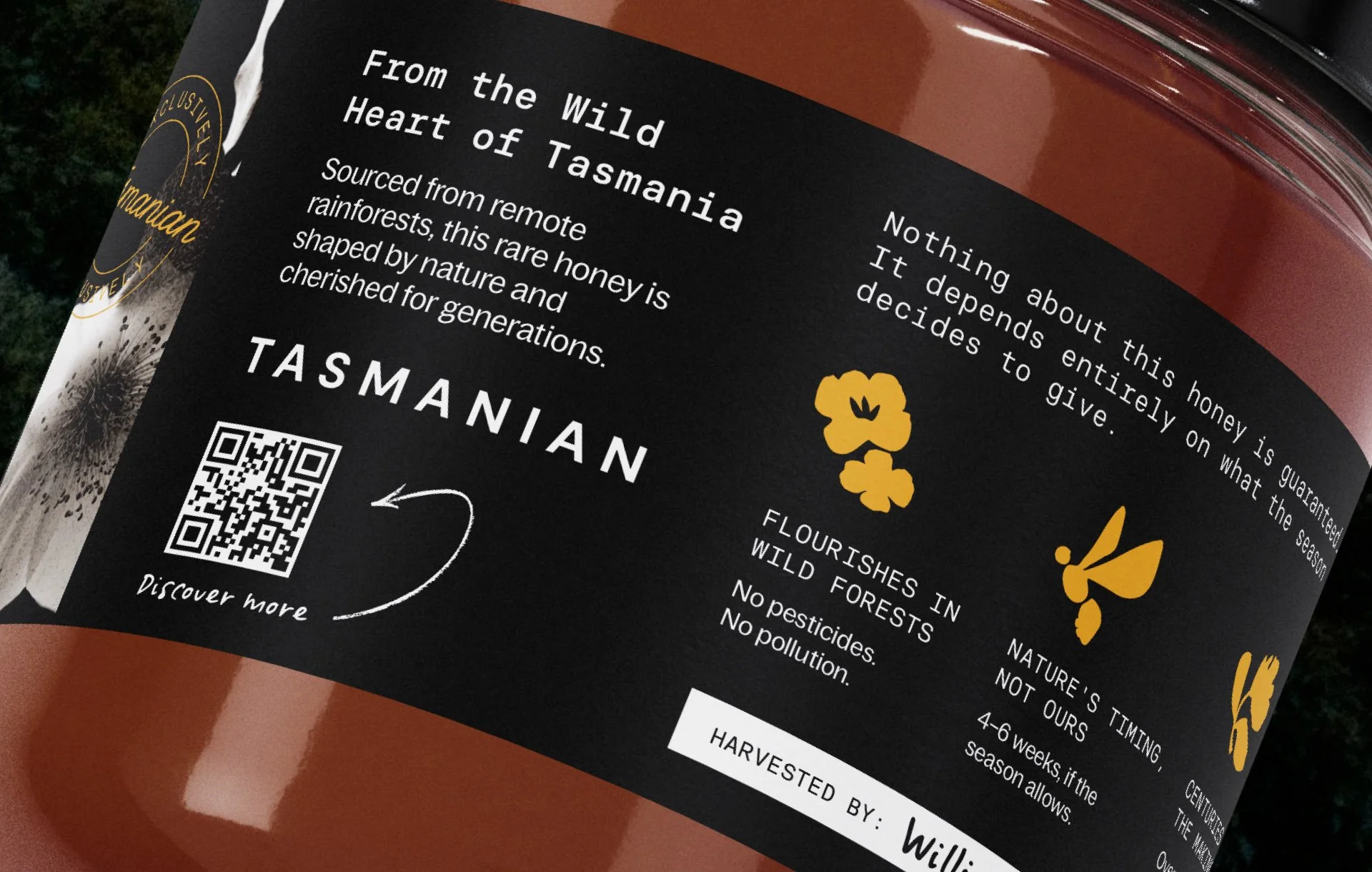
The honey itself sets its own terms. Leatherwood trees flower once a year, for four to six weeks, deep in rainforest few beekeepers can reach. Some trees take over a hundred years before they give a single season's nectar. Some years, they don't flower at all. That's not a marketing angle. It's just true, and it's rarer than most brands get to claim.
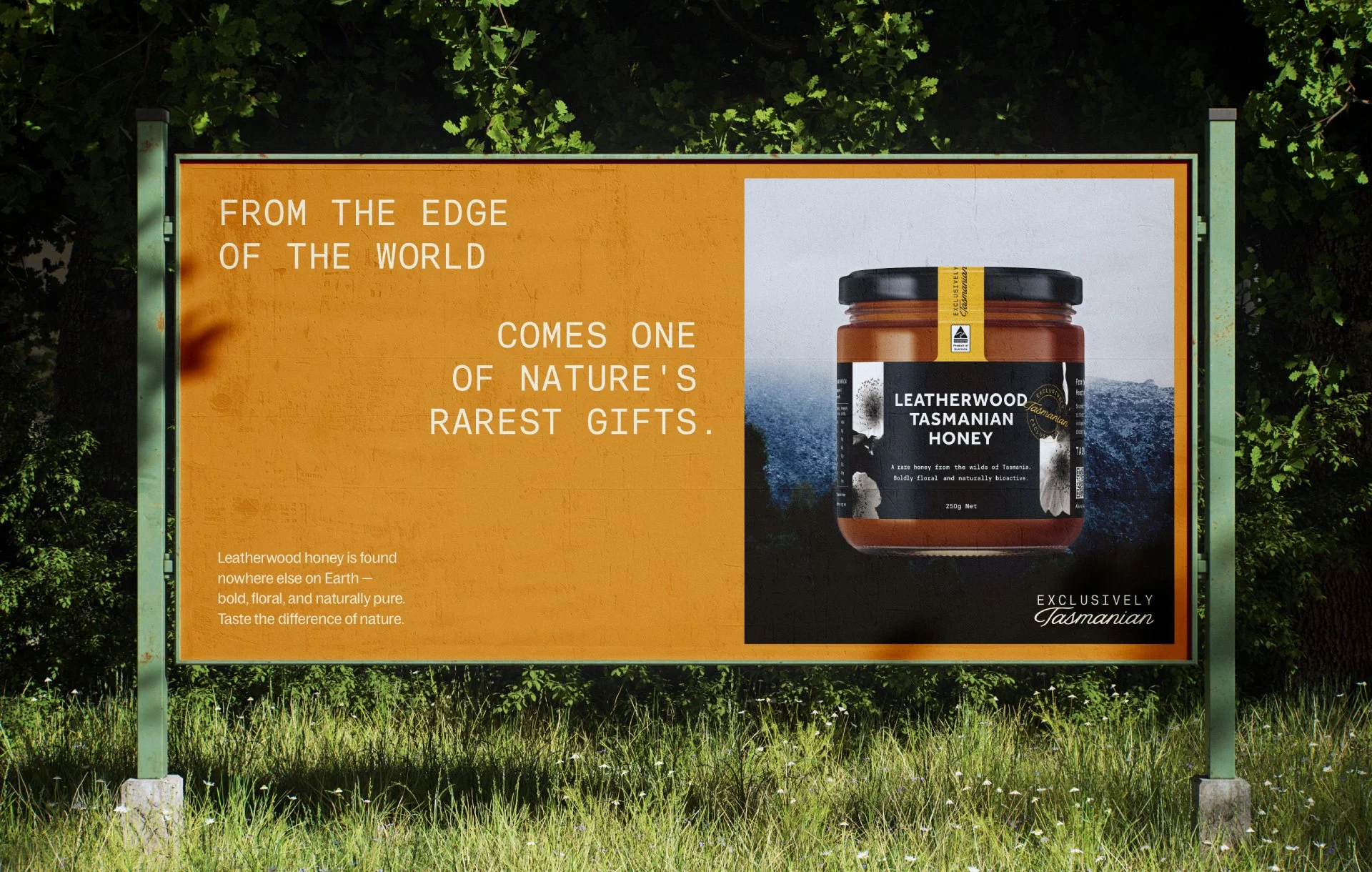
Most people reaching for a jar of rare honey already know Manuka. Leatherwood is a much smaller category, and far less understood outside Tasmania, so the brand had to entice and educate at once, sell the honey while making the case for why it's worth paying attention to in the first place. The guidelines set the direction as a "modern apothecary," clean lines, restrained gold, earthy tone, deliberately closer to how a considered ingredient gets presented than how a typical honey jar looks. It's a register borrowed from categories people already trust to be precise, which does some of the education on the brand's behalf before a single word is read.
Designing the identity also meant working inside a bigger brand. Tasmania runs its own brand system, with a toolkit and an accreditation mark built around one idea: quietly extraordinary without ever announcing itself.
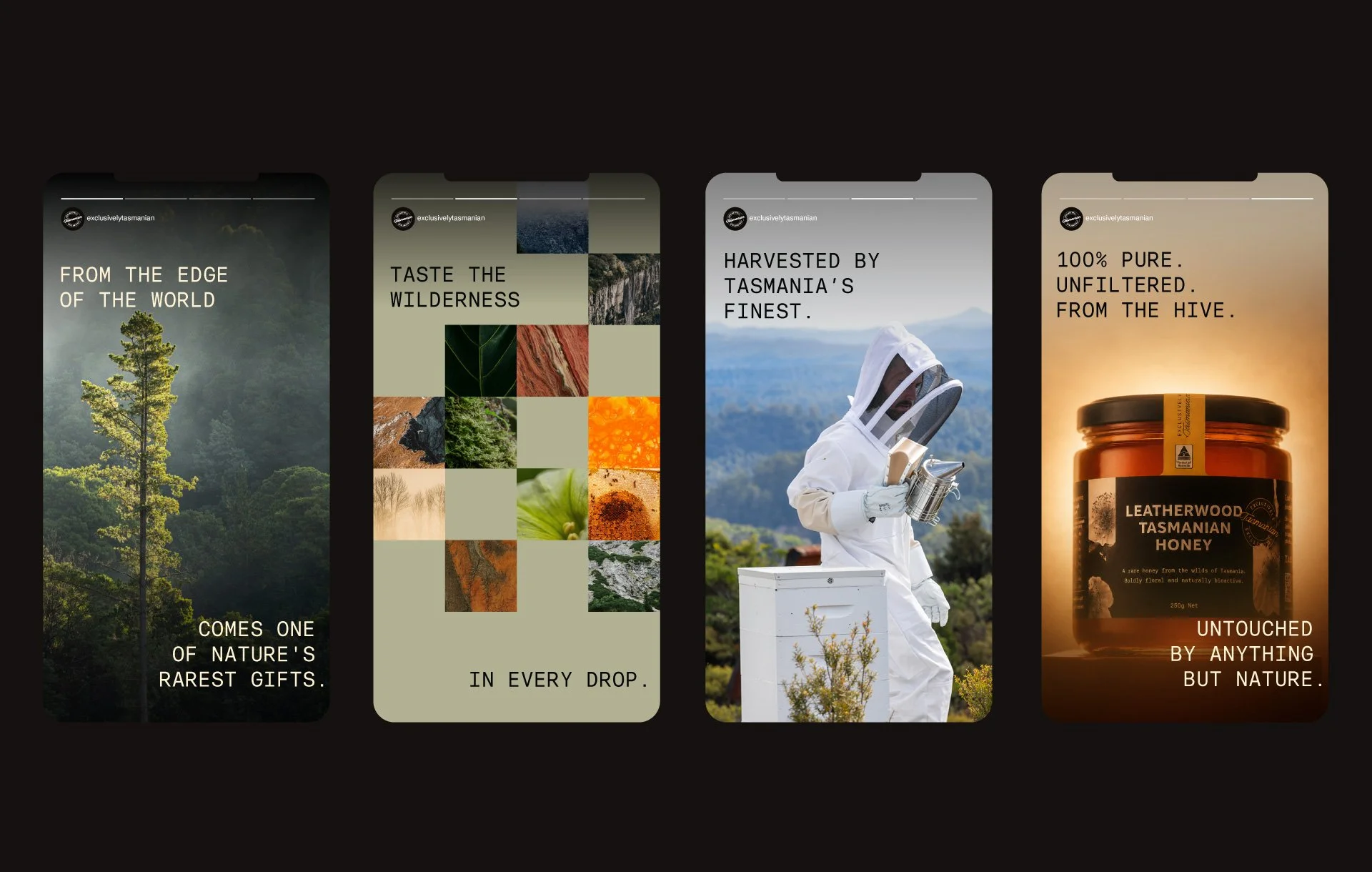
The real test was whether all of it held together once it left the studio. Packaging, collateral, social, the website, four beekeeping families who'd never shared a brand before, all of it needed to move as one considered response to a genuinely rare product, not as separate pieces solving separate problems.
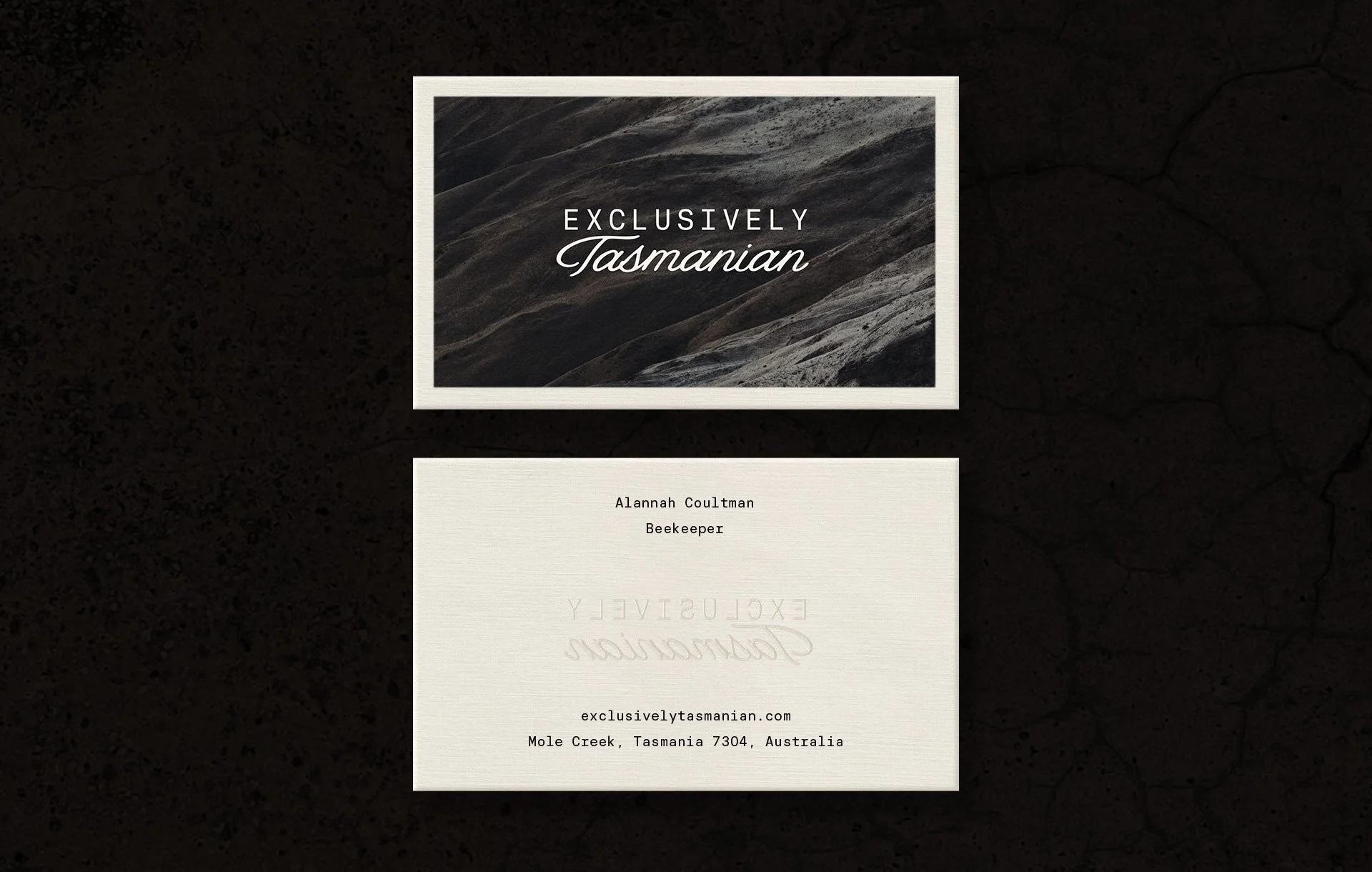
Here, the restraint holds all the way through, so whoever meets Exclusively Tasmanian first, on a shelf, on a screen, in someone's hand, meets one brand, not four.